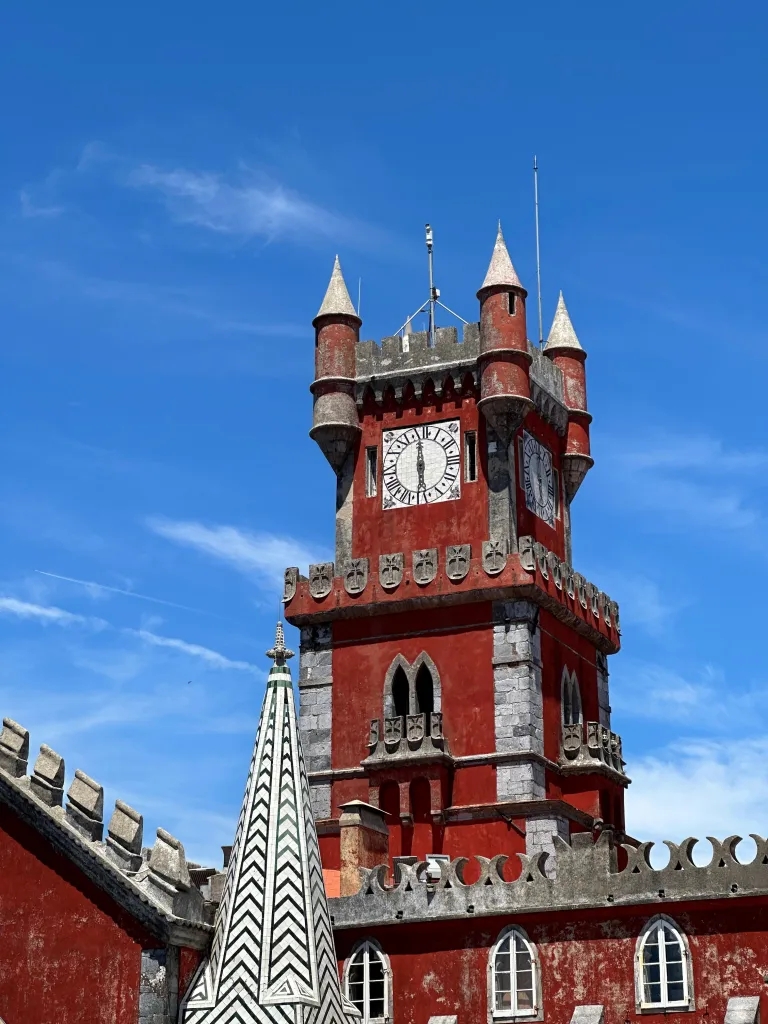
Nestled amidst the rolling hills of the Serra de Sintra, just a short journey from Lisbon, lies the enchanting town of Sintra. This captivating destination, with its rich history, breathtaking landscapes, and fairy-tale palaces, offers a great experience for every tourist. Whether you’re a fan of Portuguese history, a nature enthusiast, or looking for the most photographic spots in the region, Sintra has something for everyone. Here’s a detailed account of my recent visit, packed with essential tips and personal insights.
Historical Background
Sintra’s history stretches back to prehistoric times, with archaeological finds hinting at human presence since the Paleolithic era. The town truly flourished during the Moorish occupation in the 8th century, transforming into a significant cultural and trade hub. Post the Christian reconquest in the 12th century, Sintra became a beloved retreat for Portuguese royalty, resulting in the construction of its iconic palaces and gardens.
Getting There
From Lisbon: I personally got a bolt taxi ride to Sintra for less then €20, however you can get a 40 minute train from Rossio Station (Formely known as Estação Central/Central Station).
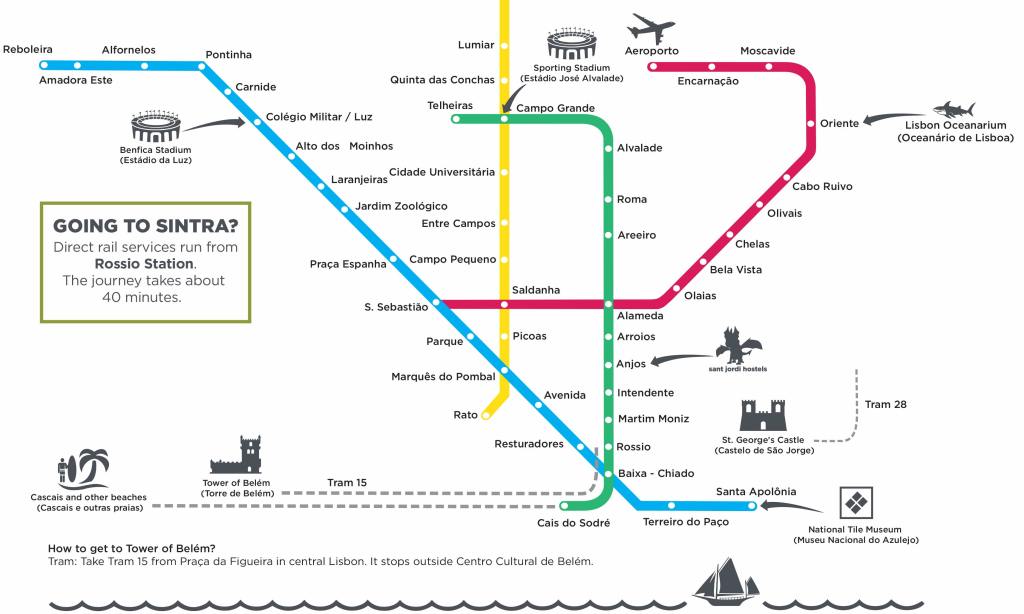
From the Train Station: The walk from Sintra’s train station to the old town is about an hour. While it might sound long, the journey is pleasant with plenty of opportunities to soak in the local atmosphere and stunning views.
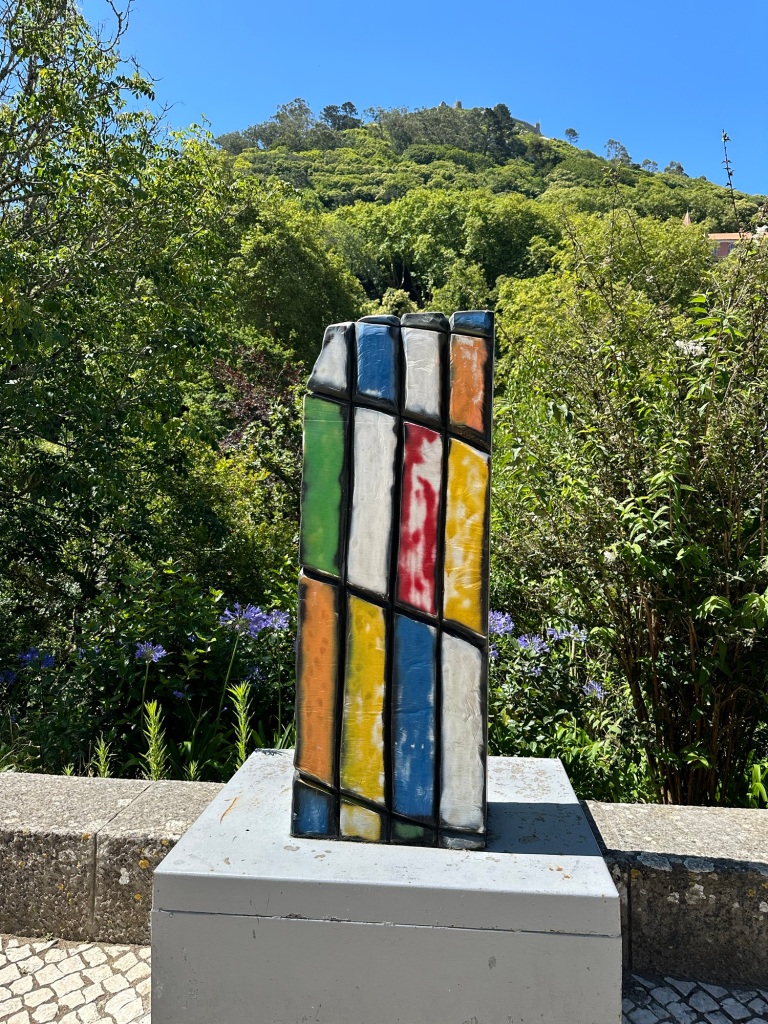
Walking from Old Town: If you’re staying in the Sintra old town, get ready for a scenic 40-minute walk to the main attractions. The path winds through charming streets and lush greenery, offering a delightful introduction to Sintra’s beauty. By walking, you’ll also get to see all the great market vendors and street art. Despite signs indicating a much longer walk, it took us just 40 minutes.
Exploring the Old Town
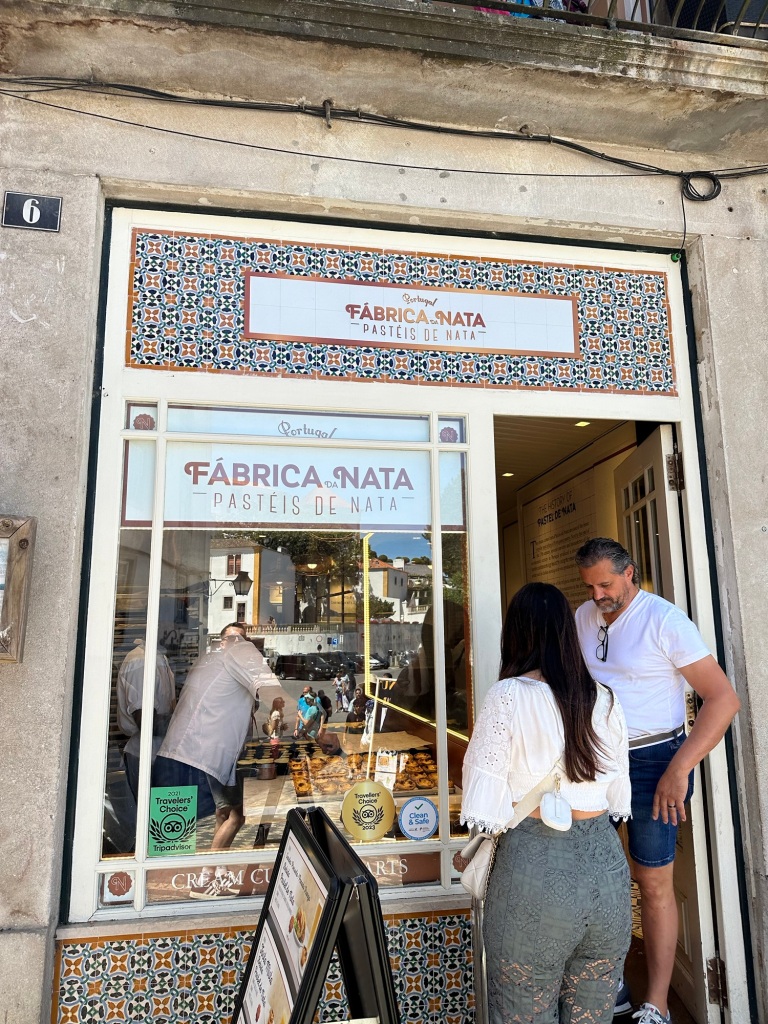
Make sure to allocate ample time to wander through Sintra’s old town. This area is brimming with delightful cafes, restaurants, and shops that exude a quaint charm. Whether you’re indulging in local pastries or browsing through unique boutiques, the old town is a destination in itself. Fabrica NATA is worth a visit.
Budget Tip: Staying Hydrated
A practical tip: water and drinks can be pricey in Sintra, with bottles costing around €3.50. The public taps aren’t well-maintained, so it’s wise to buy your water at the train station for just €1 per bottle or fill up before arriving. You may have a lot of walking to do, so keep this in mind.
Visiting Palácio da Pena
History: The Palácio da Pena, perched on top of a hill in the Sintra Mountains, is one of Portugal’s most iconic landmarks. Originally, the site was a chapel dedicated to Our Lady of Pena, which later became a monastery. After being severely damaged by the Great Lisbon Earthquake in 1755, the monastery lay in ruins until King Ferdinand II purchased the land in 1838. He transformed the site into a magnificent palace, blending several architectural styles to create the Romantic masterpiece we see today.
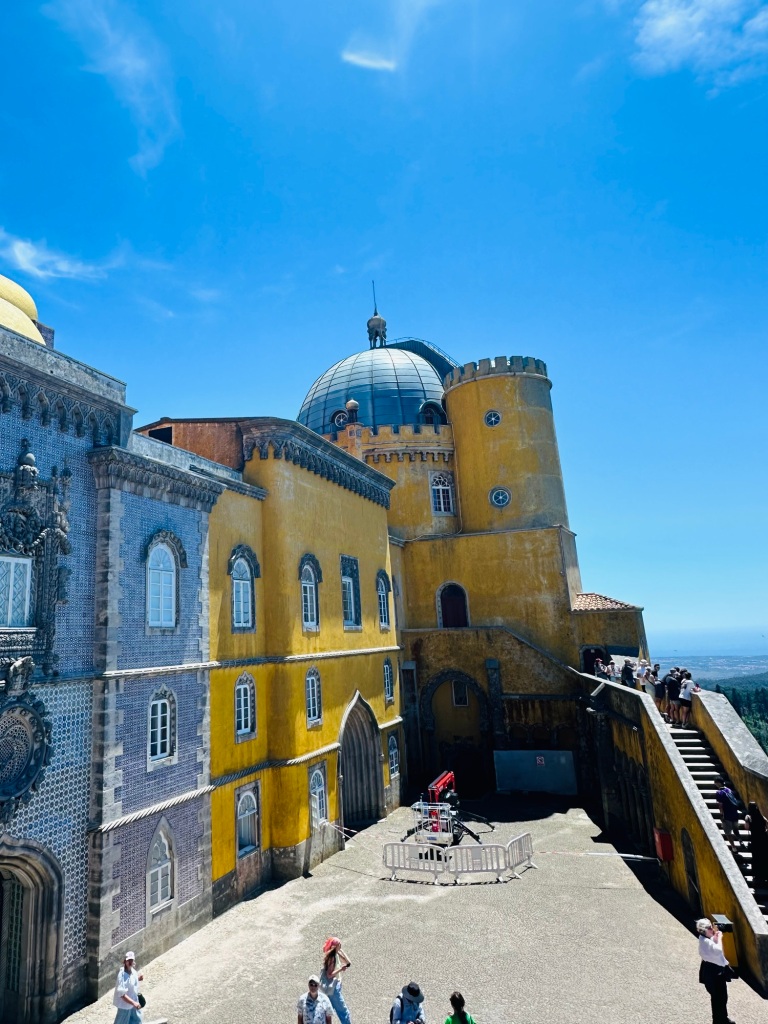
Architecture: Palácio da Pena is a stunning blend of Gothic, Manueline, Renaissance, and Moorish architectural styles, reflecting King Ferdinand II’s eclectic taste. The vibrant colors, intricate stone carvings, and ornate tile work make every corner of the palace a feast for the eyes. The palace’s design also incorporates medieval and Islamic elements, giving it a unique and whimsical character.
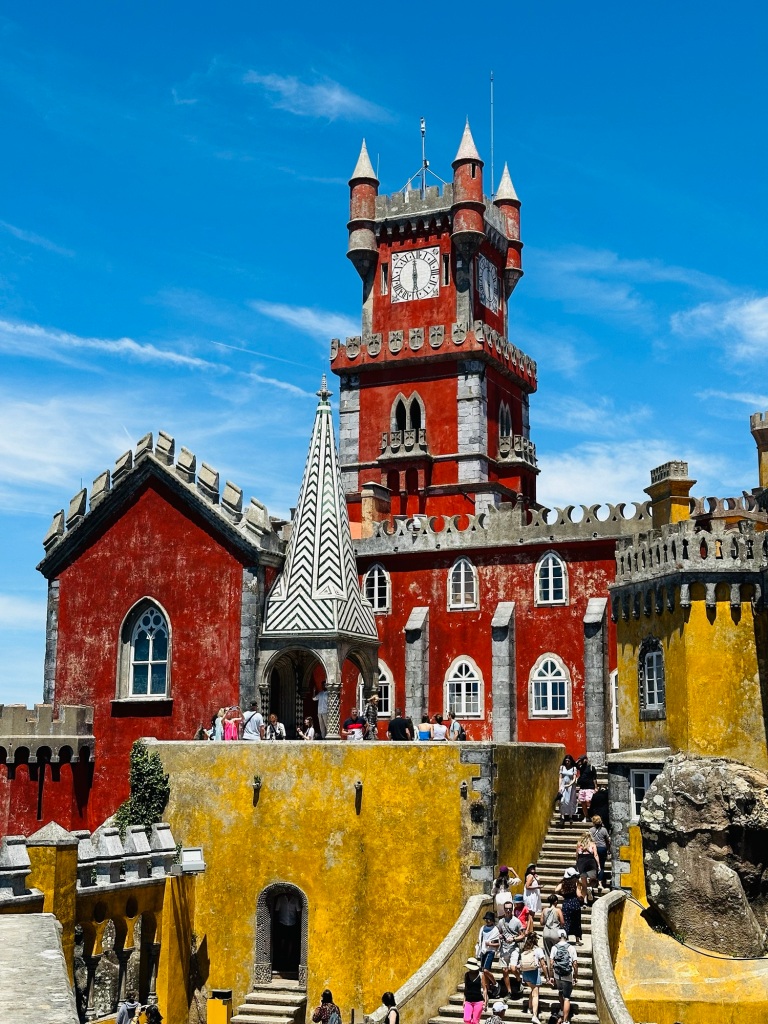
Purchasing Tickets: The best way to get tickets is online, well ahead of your visit. This ensures you get your preferred time slot and avoids long queues at the entrance. You can purchase tickets from the official website. Prices for adults are around €14, and there are discounts for children, seniors, and families.
Time Slots: Plan your visit carefully, as Palácio da Pena operates on strict time slots for entry. Arriving on time is essential to make the most of your visit and to avoid being refused entry!
From the Gardens Entrance: Contrary to what the shuttle service advertises, the walk from the gardens entrance to the top of the palace takes about 10 minutes. The gardens themselves are quite lovely and worth a stroll. You can also take a shuttle bus to the top, but you’ll usually be waiting 10-20 minutes, so it’s often quicker to walk.
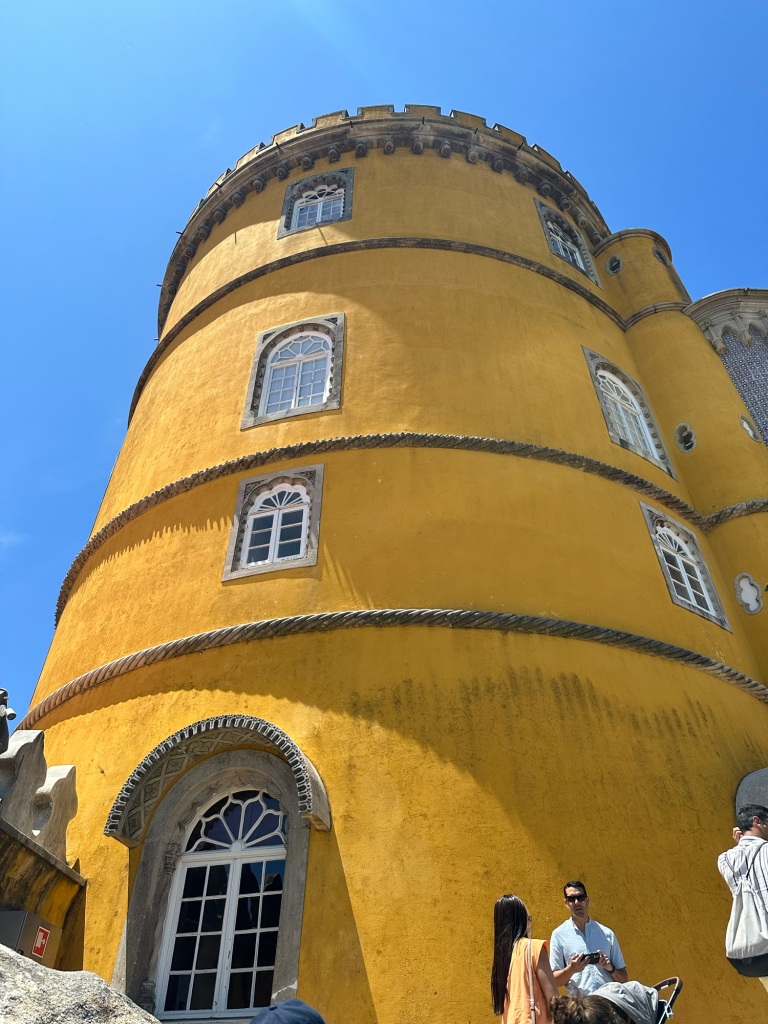
Micro-Climate: Be ready for Sintra’s unique micro-climate. It can be quite windy at the top of the palace, so bring a jacket even if the weather seems fine at lower elevations.
Tuk Tuk Vans: If walking isn’t your thing, you can hire a tuk-tuk van to drive you to the top. It’s a fun and efficient way to reach the palace, especially if you’re short on time or energy.
UNESCO World Heritage Site: Palácio da Pena is not just a beautiful place; it’s a UNESCO World Heritage Site and one of the Seven Wonders of Portugal. This recognition underscores its historical and cultural significance.
The Chapel at Palácio da Pena: One of the hidden gems at the top of Palácio da Pena is the chapel. Located near the gardens, this charming chapel features stunning stained-glass windows and intricate woodwork. It’s a peaceful spot where you can reflect on the history and beauty surrounding you. The best photo spot is right here in the garden next to the chapel, offering a breathtaking backdrop of the palace against the rolling hills.
Visiting Palácio Nacional de Sintra
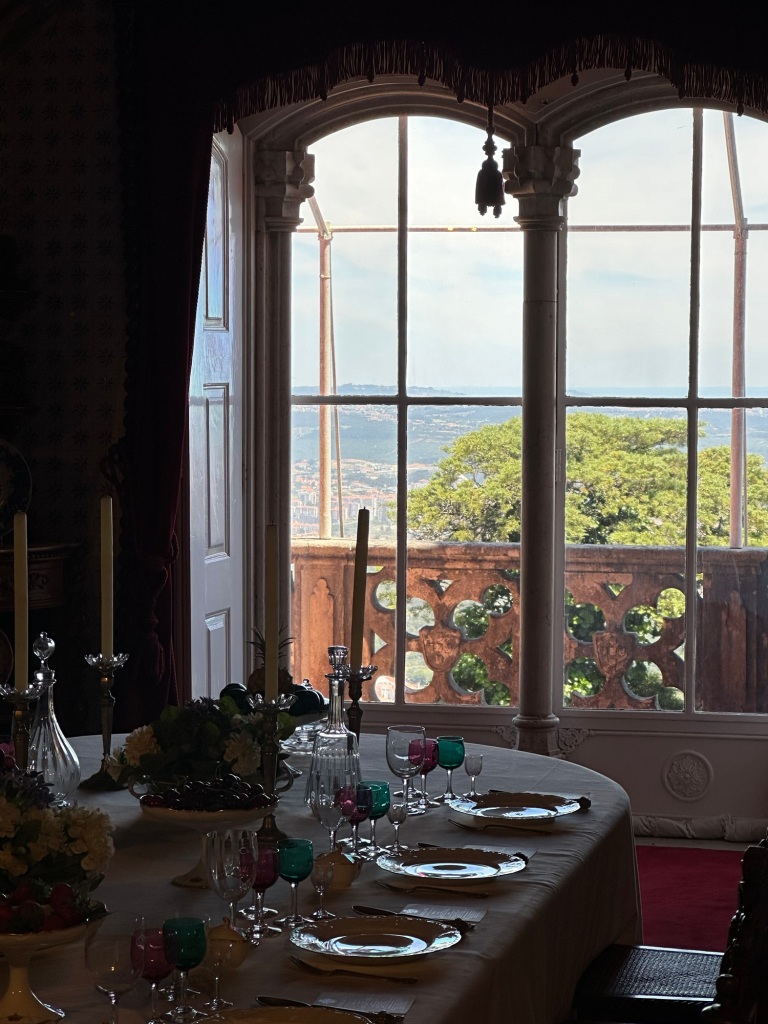
Although I didn’t have time to visit Palácio Nacional de Sintra on this trip, it’s another must-see in the area. This historic palace dates back to the Moorish occupation in the 8th century, with significant expansions during King John I’s reign in the 15th century. It showcases a blend of Gothic, Manueline, and Mudéjar architectural styles and has been a favorite residence of Portuguese royalty for centuries.
Visiting the Moorish Castle
If you have more time, consider visiting the Moorish Castle. This ancient fortress offers spectacular views and a fascinating glimpse into medieval history. Unfortunately, we didn’t have enough time to visit, but it’s definitely on our list for next time!
Transportation Tips
Bus Services: If you prefer not to walk, there’s a bus service from the top of Sintra to the train station. The fare is typically €4.50, though some drivers might offer the ride for €7.50 per person. Check the price before boarding to avoid surprises.
Taxi to Lisbon: For a convenient and reasonably priced return to Lisbon, I recommend using Bolt (a taxi service). In June 2024, I snagged a ride from Sintra to central Lisbon for just under €20. It was a comfortable and efficient way to travel back after a day of exploration.
Lunch in Sintra
When it’s time for a meal, I highly recommend Tascantiga. This cozy restaurant offers a delightful array of traditional Portuguese tapas in a warm and inviting atmosphere. Located conveniently near the main attractions, it’s the perfect spot to rest and refuel. Be sure to try their “Bacalhau �? Brás” – a classic dish made with shredded cod, potatoes, and eggs.
The beauty of Palácio da Pena
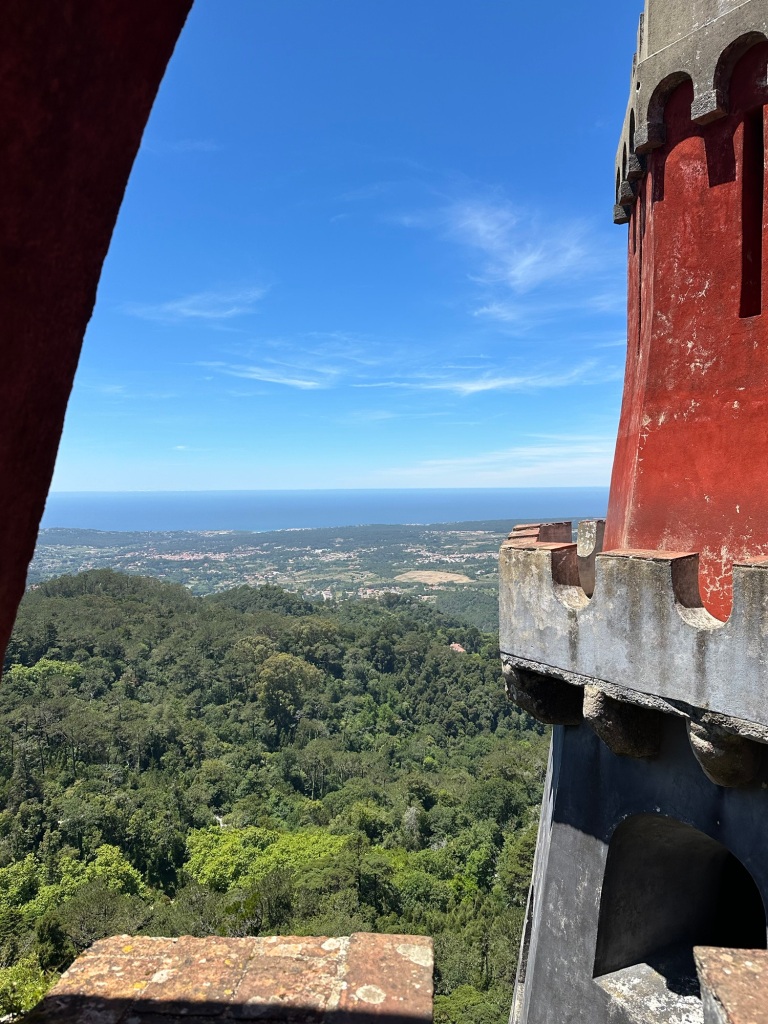
One of the highlights of my trip was the visit to Palácio da Pena. Perched high on the hills, the palace is a sight to behold. The architecture is stunning, with vibrant colors and intricate details that make every angle insta photo-worthy. Walking through the palace, I was transported back in time, imagining the lives of the royals who once resided there. The views from the top breathtaking, offering a panoramic vista of the landscape below. For photography, the best photo spot is from the garden at the top of the palace, next to the chapel. This vantage point provides a stunning backdrop for capturing the palace’s grandeur against the rolling hills.
Local Culture and Festivals
Sintra isn’t just about its architectural beauty; it’s also known for its vibrant cultural scene. If you visit in June, you might catch the Festival of St. John, a traditional celebration with music, dance, and fireworks. The town also hosts the Sintra Music Festival, drawing classical music enthusiasts from around the world. The ECB also holds an annual forum at the palace, highlighting the allure of the area.
Practical Tips
Best Time to Visit: The best time to visit Sintra is during the spring (March to June) and autumn (September to November) when the weather is pleasant and the tourist crowds are thinner.
Language: While Portuguese is the official language, English is widely spoken in tourist areas, and signs are in English. Learning a few basic phrases in Portuguese can enhance your travel experience and is appreciated by the locals.
Final Thoughts
Sintra is truly a gem. Whether you’re wandering through the charming old town, exploring the magnificent Palácio da Pena, Sintra offers an experience that’s hard to forget. If you have more time, consider visiting the Castle of the Moors, another historic site we didn’t have time for but comes highly recommended for its spectacular views and medieval history.
If you’re planning a trip to Portugal, make sure Sintra is on your itinerary. It’s a place that captures the magic of travel and leaves a lasting impression on those who visit.
 Modest Travels
Leave a comment